
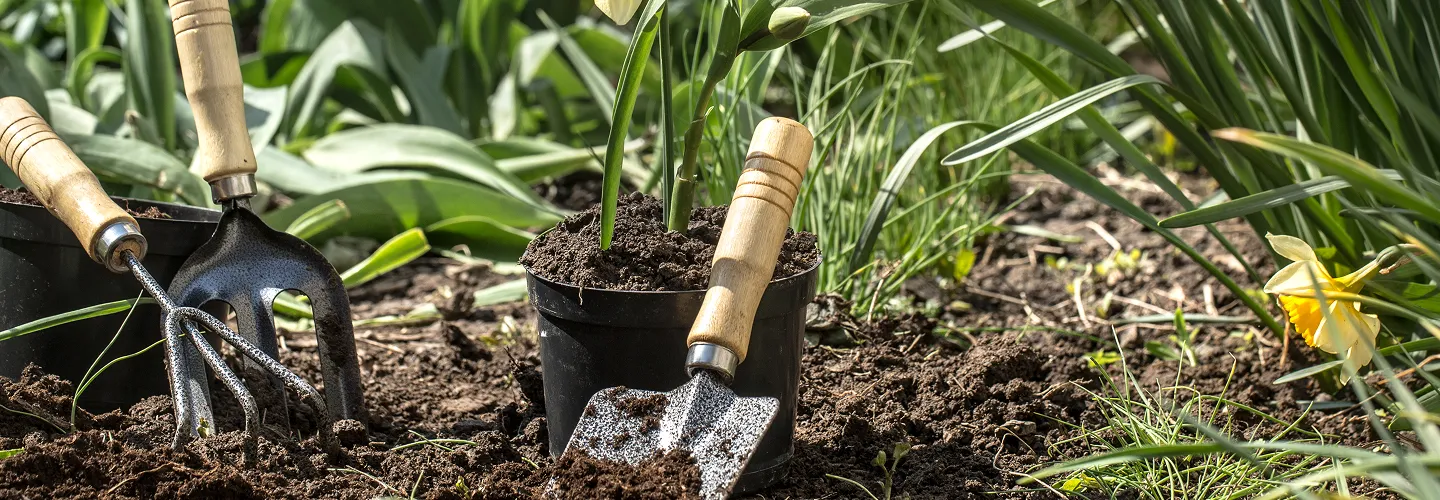
Milford Flower Bed Maintenance Services
Choose our Flower Bed Maintenance for expert care, vibrant blooms, and a weed-free garden—so you can enjoy a beautiful, healthy landscape without the hassle.
Get a Free QuoteOur Milford Landscaping & Yard Care Services
When to Schedule Flower Bed Maintenance in Milford, Connecticut – Seasonal Guide
In Milford, Connecticut, the timing of flower bed maintenance is closely tied to our unique coastal climate and the rhythms of the seasons. Early spring, just after the last frost date—typically in mid-April for neighborhoods like Woodmont and Devon—is ideal for cleaning beds, dividing perennials, and prepping soil. This ensures plants have the best start before the humid summer months set in. Fall maintenance, especially in areas near Eisenhower Park or along the Housatonic River, is equally important for mulching and protecting roots from winter chills.
Local factors such as the sandy soils near Silver Sands State Park, the shade from mature maples in Rivercliff, and the risk of late-spring droughts all play a role in determining the best maintenance schedule. Homeowners should also be aware of municipal guidelines, which can be found on the official town website, to ensure compliance with local landscaping ordinances.
Local Factors to Consider for Flower Bed Maintenance in Milford
- Proximity to the coast and salt spray exposure
- Tree density and shade coverage in your neighborhood
- Soil type (sandy near the shore, loamy inland)
- Average precipitation and risk of summer drought
- Frost dates and seasonal temperature swings
- Terrain slope and drainage patterns
- Municipal restrictions on fertilizer or pesticide use
Benefits of Flower Bed Maintenance in Milford

Enhanced Curb Appeal
Weed and Pest Prevention
Healthier Plant Growth
Seasonal Color Management
Professional Expertise
Time and Effort Savings

Milford Flower Bed Maintenance Types

Seasonal Flower Planting
-
Weed Control Services
-
Mulching and Soil Conditioning
-
Pruning and Deadheading
-
Fertilization Programs
-
Pest and Disease Management
-
Edging and Bed Redefining
Our Flower Bed Maintenance Process
Site Evaluation
Weed Removal
Soil Preparation
Plant Care
Mulching
Why Choose Milford Landscape Services

-
Milford Homeowners Trust Us
-
Expert Lawn Maintenance
-
Competitive Pricing
-
Professional Team
-
Satisfaction Guarantee
-
Personalized Service
-
Reliable Scheduling
Managing Milford’s Glacial Till Soils and Drainage in Flower Bed Maintenance
Milford’s predominant soils, including Haven and Charlton series glacial tills, are moderately acidic (pH 5.5–6.5) and often stony with variable drainage. Flower bed maintenance in these conditions requires careful soil amendment and drainage management. Incorporate 2–3 inches of compost tilled to a 6-inch depth to improve structure and organic content. For areas with poor drainage, raised beds or French drains may be necessary to prevent root rot. Soil testing is recommended every 2–3 years, with services available through UConn Extension (typical cost: $15–25 per sample). Lime applications are advised if pH falls below 6.0. For detailed soil mapping, consult the USDA Web Soil Survey.
Milford Department of Public Works
70 West River Street, Milford, CT 06460
Phone: (203) 783-3265
Official Website: Milford Department of Public Works
Seasonal Timing and Weather Considerations for Flower Bed Care in Milford
Milford’s coastal climate (USDA Hardiness Zone 6b–7a) features cool springs, humid summers, and frost typically from late October to mid-April. Optimal planting and maintenance windows for flower beds are:
- Spring planting: April 15 – May 30 (soil temp 50–65°F)
- Fall planting: September 1 – October 15 (before first frost)
- Mulching: Early May and late October
- Fertilization: Early May and September Monitor local forecasts through the National Weather Service New York, NY Office to avoid maintenance during heavy rainfall or heatwaves. Avoid soil disturbance when saturated to prevent compaction. For up-to-date climate data, reference the USDA Plant Hardiness Zone Map.
Compliance with Milford’s Wetland Buffers and Environmental Regulations
Flower bed maintenance near Milford’s wetlands, streams, and Long Island Sound must comply with local and state environmental regulations. The Connecticut Environmental Protection Act and Milford’s municipal code require:
- 25-foot minimum no-disturbance buffer from wetlands
- No fertilizer or pesticide application within 50 feet of water bodies
- Prohibition of yard waste dumping in storm drains (MS4 permit compliance)
- Use of only registered products for pest management Violations may result in fines or remediation orders. For guidance on buffer zones and protected areas, coordinate with the Conservation Commission.
Milford Conservation Commission
70 West River Street, Milford, CT 06460
Phone: (203) 783-3256
Official Website: Milford Conservation Commission
Municipal Collection Schedules and Debris Disposal for Flower Bed Projects
Proper disposal of flower bed debris is regulated by Milford’s Department of Public Works. The city provides weekly yard waste collection every Thursday from April through November. Requirements include:
- Use biodegradable paper bags or 32-gallon reusable bins (no plastic bags)
- Branches/brush: under 4 feet in length, less than 4 inches diameter
- No soil, rocks, or construction debris
- Place materials curbside by 6:00 AM on collection day Improper disposal may result in missed pickup or code violations. For large projects, the city transfer station accepts additional yard waste during posted hours. Review current schedules and accepted materials on the city’s website.
Milford Department of Public Works
70 West River Street, Milford, CT 06460
Phone: (203) 783-3265
Official Website: Milford Department of Public Works
Selecting Native and Resilient Flower Species for Milford’s Coastal Microclimate
Plant selection for flower beds in Milford should prioritize species adapted to the city’s coastal humidity, salt exposure, and variable soils. Recommended options include:
- Full sun: Black-eyed Susan (Rudbeckia hirta), daylily (Hemerocallis spp.), purple coneflower (Echinacea purpurea)
- Partial shade: Astilbe (Astilbe spp.), hosta (Hosta spp.), coral bells (Heuchera americana)
- Deer resistant: Lavender (Lavandula angustifolia), Russian sage (Perovskia atriplicifolia), salvia (Salvia nemorosa)
- Native: Wild bergamot (Monarda fistulosa), Joe Pye weed (Eutrochium purpureum), cardinal flower (Lobelia cardinalis) Spacing should be 12–24 inches depending on mature size. For additional guidance, consult UConn Extension for regionally appropriate plant lists and pest management recommendations.
What Neighborhoods Do We Serve Throughout Milford, CT?
- Woodmont: Coastal soils with high sand content and salt exposure require salt-tolerant, drought-resistant plantings and frequent mulching to retain moisture.
- Devon: Proximity to the Housatonic River and tidal wetlands necessitates strict buffer compliance and careful selection of flood-tolerant species.
- Walnut Beach: Dense development and compacted soils demand regular soil amendment and raised bed construction for optimal drainage.
- Downtown Milford: Historic district status may impose additional landscaping restrictions; mature trees create partial shade and leaf litter challenges.
- Meadowside: Larger lots with variable drainage and occasional flooding require attention to runoff management and erosion control.
- Rivercliff: Steep slopes and clay-rich soils increase the risk of erosion, making groundcover and slope stabilization essential.
- Point Beach: Small lots and high water tables necessitate careful plant selection and adherence to city setback requirements for all landscape modifications.